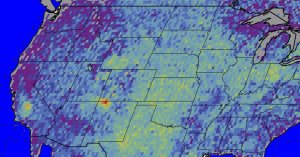
The Environmental Protection Agency has formally relaxed federal oversight of methane emissions from oil and gas operations, a move that lifts requirements for companies to actively hunt for and fix leaks. The change, reported by E&E News, marks the latest step in the Trump administration’s broader effort to dismantle climate-related rules established under the previous administration.
Under the new guidelines, oil and gas producers are no longer obligated to conduct frequent leak inspections or promptly repair methane escapes. Methane, a potent greenhouse gas, traps significantly more heat in the atmosphere than carbon dioxide over a short timeframe, making leaks a focal point of climate policy debates. The rollback effectively shifts the burden from proactive monitoring to a more passive approach, a shift that environmental advocates argue could undermine efforts to curb global warming.
EPA Administrator Andrew Wheeler characterized the regulatory change as a measure to “remove redundant paperwork,” according to E&E News. The agency has framed the revision as a streamlining of compliance processes, arguing that existing rules imposed unnecessary administrative burdens on the industry. However, the new framework also introduces additional procedural steps for future emissions controls, which some observers say could complicate long-term environmental oversight.
Background of the Rollback
The effort to rescind the methane rules began early in President Trump’s term, but the process proved slower and more bureaucratic than initially anticipated. The administration initially sought a sweeping repeal of multiple environmental protections, but legal and procedural challenges forced a piecemeal approach. The methane rule, originally implemented in 2016 under the Obama EPA, required oil and gas companies to monitor well sites and compressor stations for leaks and to repair them within a set timeframe.
The latest action aligns with the administration’s broader deregulatory agenda, which has included rollbacks of other emissions standards and water protections. Industry groups have generally welcomed the change, citing reduced compliance costs, while environmental organizations have criticized it as a step backward in the fight against climate change.
The new guidelines do not eliminate all leak-related obligations, but they significantly reduce the frequency and stringency of required inspections. Companies are still expected to address leaks that are discovered, but the emphasis has shifted away from routine, proactive detection. This could lead to higher cumulative emissions over time, a concern raised by scientists who study atmospheric methane levels.
While the EPA’s announcement focuses on regulatory relief, the broader context includes rising global temperatures and repeated warnings from climate researchers about the need for rapid emissions cuts. The rollback comes at a time when the oil and gas sector faces increasing scrutiny over its environmental footprint, yet the administration has prioritized reducing what it sees as excessive federal oversight.
For now, the rule change is set to take effect without further congressional approval, as it falls under the EPA’s administrative authority. Legal challenges from environmental groups are anticipated, which could delay implementation or prompt a review in federal court.