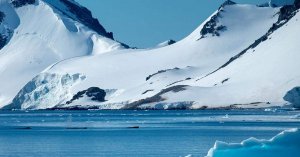
In a finding that underscores the pervasive reach of plastic pollution, scientists have discovered microplastics in every snow sample collected from 19 sites across Antarctica, including remote areas near the South Pole. The research, led by the University of Canterbury, was published this week in the journal Cryosphere.
The study, based on samples gathered in 2019, detected 13 different types of plastics, with polyethylene terephthalate (PET)—commonly used in beverage bottles and clothing—being the most prevalent. The results were unexpected, as the team had initially anticipated that some samples might be free of contamination.
Alex Aves, a recent University of Canterbury graduate and lead author of the paper, expressed dismay at the findings. "It's incredibly sad, but finding microplastics in fresh Antarctic snow highlights the extent of plastic pollution in even the most remote regions of the world," Aves said in a press release.
The research was partly designed to test the assumption that areas farther from human activity would have lower contamination. Laura Revell, a co-author and professor at the University of Canterbury, noted that Aves had been asked to collect some samples from areas closer to human presence "so she'd have at least some microplastics to study." Instead, laboratory analysis revealed that even the most isolated samples were contaminated.
On average, the concentration of microplastics in Antarctic snow was higher than that reported in the surrounding ocean and sea ice. The researchers attribute this to airborne microplastics, which can travel thousands of miles before settling. "From the studies published in the last few years, we've learned that everywhere we look for airborne microplastics, we find them," Revell added.
Potential Impacts on Antarctica's Ecosystem
The presence of microplastics could exacerbate existing environmental stresses in the region. The researchers point to potential effects on local flora and fauna, including penguins, orcas, and Antarctic moss forests, which might face "limited growth, negative effects on reproduction, and impaired biological functions" as a result of exposure.
Additionally, the tiny plastic particles could influence atmospheric processes, potentially contributing to shifts in the region's climate dynamics, though the study does not quantify these effects.
Antarctica joins a growing list of remote environments where microplastics have been detected, from deep ocean trenches to mountain peaks. The findings serve as a stark reminder that plastic pollution is a global issue, not confined to urban or industrial areas.
The study adds to a body of evidence that microplastics have become ubiquitous in the environment. While the long-term consequences are still being studied, the presence of these particles in one of the most pristine places on Earth highlights the urgency of addressing plastic waste.
As the researchers note, the discovery is a sobering indication of how far human impact has reached. The findings were first reported by the BBC.