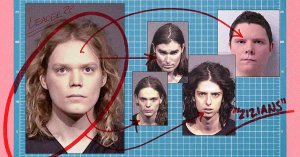
Authorities over the weekend took into custody Jack “Ziz” DeSota, the alleged head of a fringe group called the “Zizians,” who are believed to be behind a string of killings spanning multiple states, including the death of a U.S. Border Patrol agent in January. The arrest has cast a spotlight on a shadowy online subculture rooted in a 2010 thought experiment known as “Roko’s Basilisk.”
DeSota, described by police as a mysterious figure, had reportedly faked her own death in 2022. Her apprehension follows a lengthy investigation that linked her and her associates to six killings, among them the double murder of a follower’s parents on New Year’s Eve 2022. The January slaying of the Border Patrol agent has intensified public scrutiny of the group’s ideology and its connections to Silicon Valley’s rationalist movement.
At the center of the controversy is Eliezer Yudkowsky, an AI researcher and founder of the LessWrong forum, where the “Roko’s Basilisk” theory was first posted. The theory, proposed by a user named Roko, describes a future artificial superintelligence that would punish anyone who knew of its possible existence but did not help bring it about. The idea sparked a minor panic among forum users, who feared that merely learning about it could doom them to eternal torment. Yudkowsky later distanced himself from the theory, but it has since become a touchstone for online speculation about AI and ethics.
DeSota, a militant vegan, and her followers have blended animal rights activism with a radical interpretation of rationalism—a philosophy championed by Yudkowsky that prioritizes logical reasoning over emotional or intuitive thinking. However, law enforcement and observers note that the Zizians’ actions appear far removed from Yudkowsky’s intended application of rational thought. Instead, the group’s ideology has been linked to a series of brutal acts, raising alarms within the very community where the ideas originated.
Members of LessWrong, the online forum that hosted the Basilisk discussion, had issued warnings about the Zizians for years. In a post from nearly two years ago, a user cautioned that “some people in the rationalist community are concerned about risks of physical violence from Ziz and some of her associates.” The post further alleged that “Ziz has repeatedly called for the deaths of many different classes of people.”
Despite these early warnings, the group’s activities went largely unnoticed by the broader public until the recent arrest. The case has prompted renewed debate about the potential real-world consequences of extreme online ideologies, particularly those that blend speculative AI concepts with radical activism.
Authorities have not released details about DeSota’s current whereabouts or the specific charges she faces. The investigation remains ongoing, with law enforcement agencies coordinating across state lines to piece together the full scope of the group’s alleged crimes.
For the families of the victims and for those who had been tracking the Zizians’ activities, the arrest brings a measure of accountability, though questions linger about how a fringe online movement could escalate to such violence.