Reviews
Mini Steps Puzzle Platformer offers a calm and thoughtful puzzle experience. The one-tap controls are easy to learn, but each level requires careful planning. The pixel art style is charming and the lack of pressure makes it ideal for casual play. A great choice for puzzle fans.
About this game
Game Introduction
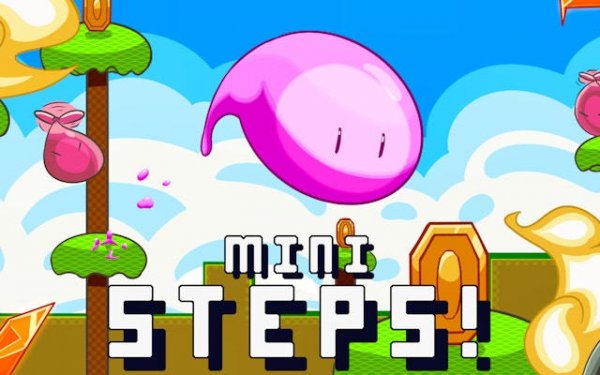
Mini Steps Puzzle Platformer is a calm puzzle game that blends logical thinking with precise timing. Set in a clean, pixel-art world with soft colors, each level presents a series of platforms—some static, some moving—leading to a glowing goal flag. Your objective is to plan a route and perform accurate jumps to reach the end. The game creates a focused, pressure-free atmosphere, making it ideal for players who enjoy solving puzzles at their own pace without distractions.
How to Play
To play, tap your screen once to make your character jump one step forward. Carefully observe each level’s layout, noting moving or disappearing platforms. Plan your sequence of jumps before you start to avoid getting stuck. If you fall, restart the level instantly and try a new strategy. The controls are simple—just one tap—but each level requires thoughtful planning and good timing. This straightforward mechanic lets you focus entirely on solving the puzzle.
Game Features
One-tap controls for easy and intuitive play. Clever levels that gradually increase in difficulty. A relaxing minimalist design with soft, soothing colors. Free to play with no hidden costs. Instant restart feature for quickly trying new strategies. The game is designed for mobile devices, offering a smooth touch experience. Its pixel-art style and calm atmosphere make it suitable for short breaks or longer play sessions.
Tips for Success
Take your time to observe each level before making your first move. Look for patterns in moving platforms and time your jumps carefully. If you get stuck, don’t hesitate to restart and try a different sequence. Practice helps you learn the timing of each obstacle. Stay patient—each puzzle is solvable with careful planning. The simple controls mean success depends more on strategy than speed.
Compatibility
▸ Desktop: Chrome / Edge / Firefox / Safari
▸ Mobile: iOS Safari / Android Chrome
▸ Tablet: iPadOS Safari / Android Tablet Browser
Keep your browser updated for the best experience
Faq
Is Mini Steps Puzzle Platformer free to play?
Yes, the game is free to play with no hidden costs. There are no in-app purchases required to progress through levels.
Can I play Mini Steps Puzzle Platformer offline?
Yes, the game can be played offline once downloaded. No internet connection is needed to enjoy the levels.
Does Mini Steps Puzzle Platformer have ads?
The game may include optional ads that support free gameplay. These are not intrusive and do not interrupt the puzzle-solving experience.
How many levels are in Mini Steps Puzzle Platformer?
The game includes a variety of levels that gradually increase in difficulty. The exact number is not specified, but players can expect many hours of puzzle-solving.
Is Mini Steps Puzzle Platformer suitable for children?
Yes, the game is family-friendly with no violent or inappropriate content. Its simple controls and calm atmosphere make it suitable for all ages.
What devices support Mini Steps Puzzle Platformer?
The game is designed for mobile devices and works on both iOS and Android platforms. It is optimized for touch screens.